
MAFRA: COMPLETE TRAVEL AND CULTURAL GUIDE
Mafra: Complete Travel and Cultural Guide
Introduction
Mafra is a municipality in the Lisbon District, 35 km northwest of the Portuguese capital. It combines royal heritage, Atlantic coastline, natural reserves, and traditional gastronomy. The National Palace of Mafra and the World Surfing Reserve of Ericeira make it one of Portugal’s most diverse cultural landscapes.
History of Mafra
When did Mafra gain importance?
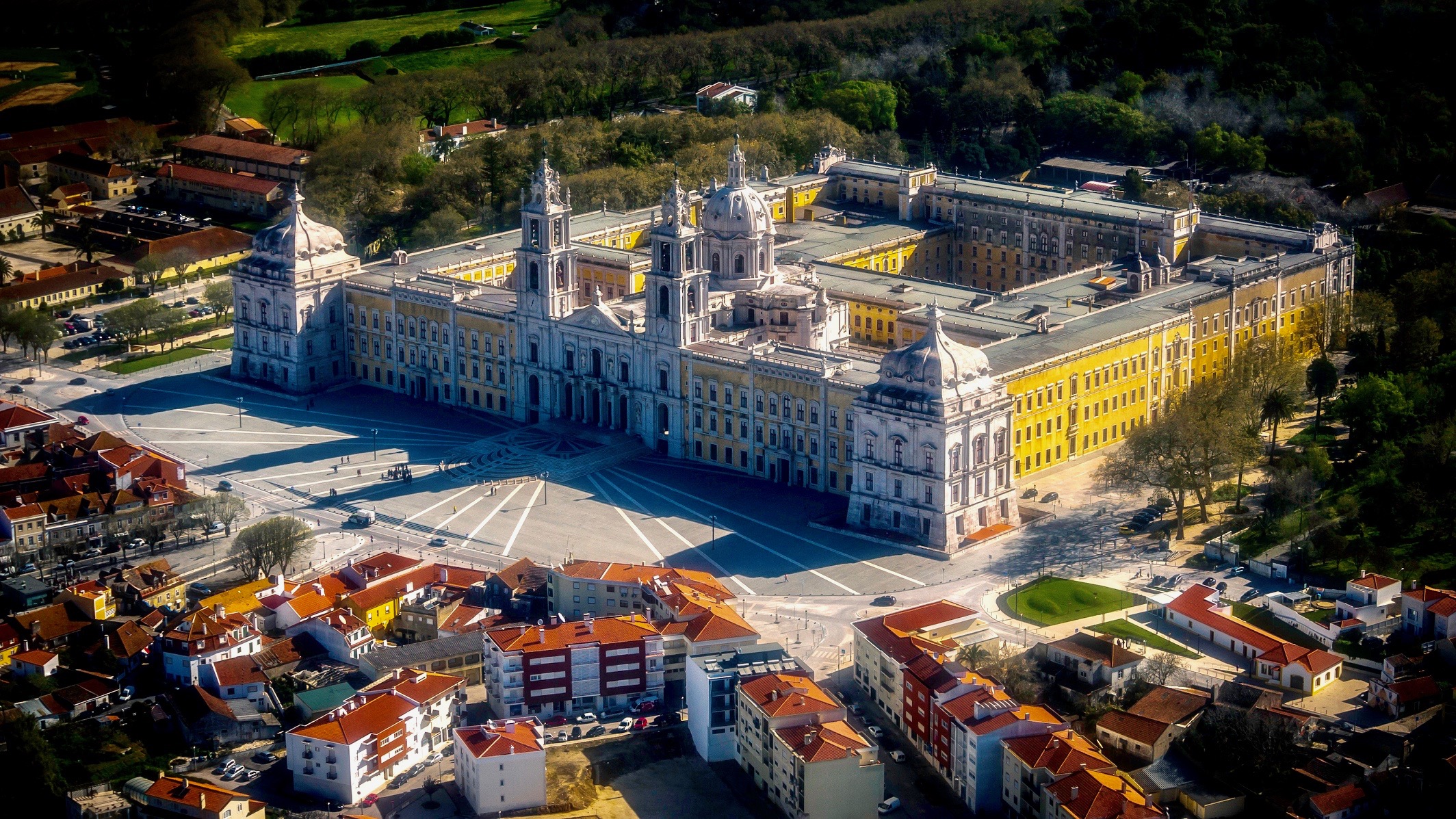
Mafra grew in prominence in the 18th century when King João V ordered the construction of the PalaceConvent of Mafra. The monument transformed the small town into a royal and religious hub.
What role did the palace play?
The palace served as:
- Royal residence for João V and later monarchs
- Franciscan convent with 300 monks
- Symbol of absolutism, financed by gold from Brazil
How did the military shape Mafra?
The convent later housed the Escola das Armas, the Portuguese Army’s main training academy. Military parades and traditions remain part of Mafra’s identity.
National Palace of Mafra
What are the main features?
- Basilica: Italian-inspired Baroque church with twin bell towers
- Library: over 36,000 books, including incunabula
- Carillons: 98 bells, one of the largest sets in the world
- Convent: 880 rooms and 300 monk cells
Why is it UNESCO World Heritage?
In 2019, UNESCO listed the Palace, Convent, and Tapada Nacional de Mafra for their outstanding Baroque architecture and cultural landscape integration.
Tapada Nacional de Mafra
What is the Tapada?
The Tapada Nacional de Mafra is an 8,000hectare hunting reserve created by King João V in 1747.
What can visitors experience?
- Wildlife: deer, wild boar, foxes, birds of prey
- Activities: hiking, cycling, archery, falconry shows
- Educational programs: guided tours on biodiversity
- Ericeira: World Surfing Reserve
Why is Ericeira unique?
Ericeira is the only World Surfing Reserve in Europe, recognized in 2011. It includes 7 km of coastline with consistent waves.
What are the key surf spots?
- Ribeira d’Ilhas: international competition venue
- Coxos: powerful right-hand reef break
- Foz do Lizandro: familyfriendly beach with waves for beginners
What else does Ericeira offer?
- Fishing village heritage: cobbled streets, whitewashed houses with blue trim
- Seafood gastronomy: fresh fish, shellfish, and octopus dishes
- Festivals: Nossa Senhora da Boa Viagem celebrations
Religious and Cultural Heritage
Which churches and chapels are notable?
- Igreja de Santo André (Mafra town): parish church with medieval origins
- Ermida de São Sebastião (Ericeira): linked to fishermen’s traditions
- Ermida de São Julião: overlooking the Atlantic, with maritime devotion
How does Mafra preserve traditions?
- Bread of Mafra (Pão de Mafra): rustic sourdough with PDO status
- Queijadas and Fradinhos: local pastries
- Religious festivals: processions mixing Catholic devotion and local folklore
Nature and Rural Landscape
What defines Mafra’s landscape?
- Cliffs and beaches along the Atlantic coast
- Forest of Tapada Nacional with Mediterranean and Atlantic vegetation
- Rural villages maintaining traditional farming practices
Which outdoor activities are popular?
- Surfing and bodyboarding in Ericeira
- Hiking in Tapada Nacional
- Birdwatching in forest and coastal areas
- Cycling routes linking villages and coast
Practical Travel Information
How far is Mafra from Lisbon?
- By car: 35–40 minutes via A8 or A21 motorways
- By bus: ~45 minutes from Lisbon Campo Grande to Mafra or Ericeira
- By train: no direct train; Sintra line is nearest alternative
How much time should visitors plan?
- Halfday: Palace visit only
- Fullday: Palace + Tapada or Ericeira
- Two days: complete experience combining heritage, nature, and coast
When is the best time to visit?
- Spring and autumn: mild climate, fewer crowds
- Summer: ideal for surfing and beach activities
- Winter: quieter, atmospheric visits to the palace and Tapada
Related Sites Near Mafra
- Sintra (20 km): Pena Palace, Moorish Castle, Quinta da Regaleira
- Torres Vedras (25 km): historical lines of defense from Napoleonic Wars
- Lisbon (35 km): capital’s cultural and historical attractions
FAQs about Mafra
What is Mafra best known for?
For the National Palace of Mafra, a monumental Baroque complex and UNESCO site.
How far is Mafra from Lisbon?
About 35 km northwest, ~40 minutes by car.
What is the Tapada Nacional de Mafra?
A royal hunting reserve created in 1747, now a wildlife and leisure park.
Why is Ericeira famous?
It is Europe’s only World Surfing Reserve, with worldclass waves.
What foods are typical of Mafra?
Pão de Mafra, queijadas, and fradinhos pastries.
Is Mafra part of UNESCO?
Yes, since 2019, with the Palace, Convent, and Tapada.