
BEST TIME TO VISIT SINTRA: WHAT TO EXPECT IN EVERY SEASON
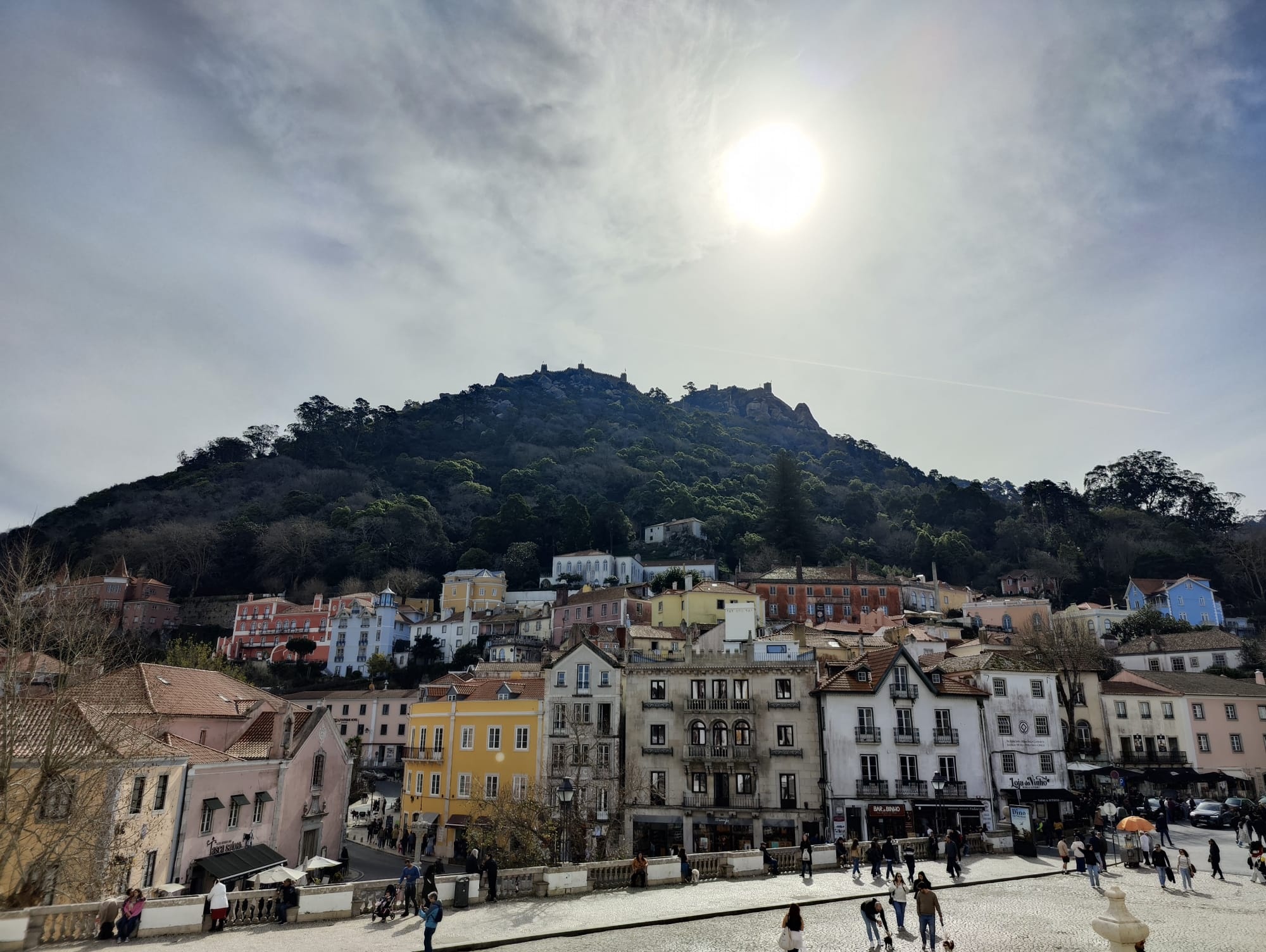
Best Time to Visit Sintra: What to Expect in Every Season
Sintra, Portugal’s fairytale town of palaces, misty forests, and Atlantic breezes, reveals a different personality in every season. Whether you’re wandering through Pena Palace, hiking the Sintra-Cascais Natural Park, or watching the sun dip into the ocean at Cabo da Roca, choosing the right time to visit can transform your entire experience.
What is Sintra’s climate like overall?
Sintra’s climate is shaped by the Atlantic Ocean and the altitude of the Serra de Sintra.
This combination creates mild temperatures, high humidity, and the iconic morning mist that gives Sintra its mysterious and romantic atmosphere all year.
How do temperature and weather vary by season?
-
Temperature: 10°C (50°F) in winter to 26°C (79°F) in summer
-
Rain: Highest from November to February
-
Dry season: June to September — ideal for palace visits, beach stops, and outdoor activities
Why is Sintra often cooler than Lisbon?
Sintra sits higher and catches the Atlantic winds, making it naturally cooler — often by several degrees — compared to Lisbon. Even in August, Sintra offers refreshing conditions.
Visiting Sintra in Spring (March–May)
Spring is one of Sintra’s most magical seasons. Forests bloom, parks turn vibrant, and crowds are much lighter than in summer.
What is the average weather in spring?
-
Temperature: 13–20°C (55–68°F)
-
Rain: Decreasing each month
-
Light: Longer, brighter days — perfect for photography
What experiences are ideal in spring?
-
Garden walks at Pena Park and Monserrate
-
Scenic hikes in Sintra-Cascais Natural Park
-
Picnics near Seteais Palace with Serra views
Why do local tours recommend spring?
Spring offers pleasant temperatures, better visibility, and fewer crowds — ideal for Wondervan.pt private and small-group tours combining palaces and coastal viewpoints.
Visiting Sintra in Summer (June–August)
Summer is peak season: long days, sunny skies, and a lively atmosphere in the historic center.
What are summer conditions like?
-
Temperature: 20–26°C (68–79°F)
-
Sunshine: Up to 11 hours per day
-
Rain: Very rare
What activities fit best in summer?
-
Early visits to Pena Palace or the Moorish Castle
-
Sunset tours to Cabo da Roca
-
Beach breaks at Praia das Maçãs or Azenhas do Mar
Are there ways to avoid the crowds?
Yes — start early, book online entrance tickets, or join Wondervan.pt private tours that optimize schedules to avoid the busiest hours.
Visiting Sintra in Autumn (September–November)
Autumn brings warm light, quiet paths, and some of the most atmospheric landscapes of the year.
How does the weather change in autumn?
-
Temperature: 15–22°C (59–72°F)
-
Rain: Increases from late October
-
Light: Stunning golden afternoons
What are the best autumn experiences?
-
Exploring Regaleira gardens in the morning mist
-
Wine tasting in the Colares wine region
-
Hiking to Peninha Sanctuary for ocean panoramas
Why is autumn ideal for photographers?
Muted fog, glowing trees, and calm air give Sintra dramatic scenes — especially around the Serra trails and coastal cliffs.
Visiting Sintra in Winter (December–February)
Winter is Sintra’s quietest season — moody, peaceful, and perfect for travelers who prefer solitude and atmosphere.
What are typical winter conditions?
-
Temperature: 8–14°C (46–57°F)
-
Rain: Frequent showers and fog
-
Sky: Bright intervals between storms
Which sites feel magical in winter?
-
National Palace of Sintra with almost no queues
-
Convent of the Capuchos, silent and moss-covered
-
Cozy cafés, wine bars, and fireplaces in the old town
Is it still a good time for tours?
Absolutely. Winter is when private tours shine — fewer visitors, easy parking, and flexible itineraries adapted to the weather.
Comparing the seasons: when is the best time overall?
Each season offers unique advantages:
| Season | Temperature | Rainfall | Experience | Ideal For |
|---|---|---|---|---|
| Spring (Mar–May) | 13–20°C | Moderate | Blooming gardens, light crowds | Culture lovers, hikers |
| Summer (Jun–Aug) | 20–26°C | Low | Long sunny days | Families, first-time visitors |
| Autumn (Sep–Nov) | 15–22°C | Moderate | Golden light, wine season | Photographers, food lovers |
| Winter (Dec–Feb) | 8–14°C | High | Quiet palaces, misty charm | Couples, peaceful travelers |
What’s the final verdict?
-
Best overall: Spring and autumn — mild weather, magical landscapes, fewer crowds
-
Best for sunshine: Summer
-
Best for tranquility: Winter
FAQs about the best time to visit Sintra
Is Sintra open all year round?
Yes. All major palaces and attractions operate year-round, with slightly shorter opening hours in winter.
Is advance booking necessary?
During spring and summer, booking tickets and tours in advance is highly recommended.
Are palaces closed in bad weather?
No. Only gardens or forested areas may temporarily close during storms.
Which months are the quietest?
January and February offer the calmest conditions — perfect for slow travel.
Can I combine Sintra with a coastal visit?
Yes. The Sintra-Cascais Natural Park connects palaces to beaches like Guincho and Adraga.
Private tours with Wondervan.pt often include both in one day.
Conclusion
The best time to visit Sintra depends on what you value most: blooming gardens, warm sunshine, peaceful palaces, or golden autumn scenery.
Whatever the season, Sintra’s misty forests, vibrant tiles, and Atlantic cliffs offer an unforgettable experience.
With a well-planned route or a guided tour from Wondervan.pt, each visit becomes more than a trip — it becomes a story woven between palaces and clouds.