
SINTRA-CASCAIS NATURAL PARK – WHERE NATURE MEETS ROYAL HERITAGE
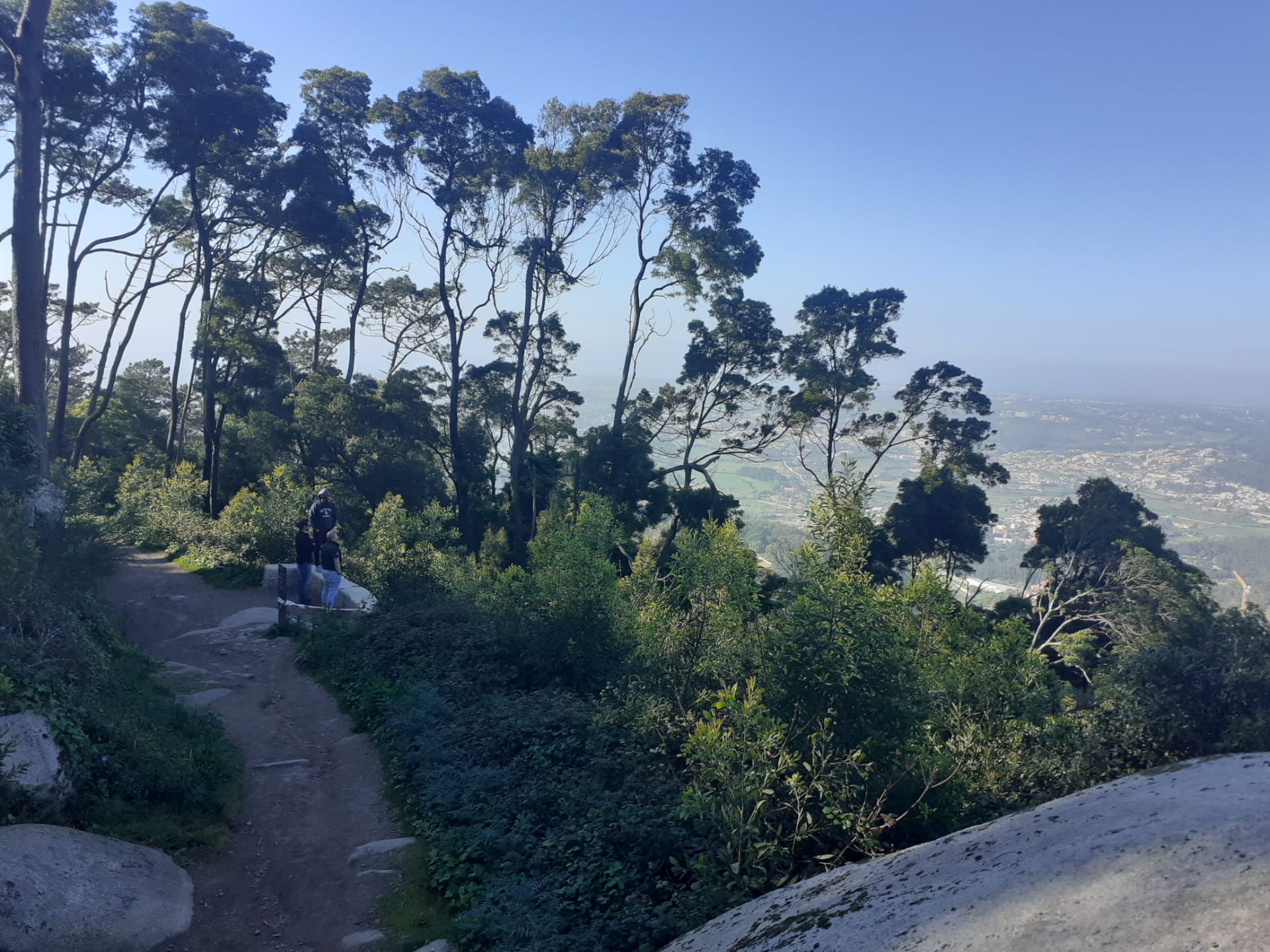
Sintra-Cascais Natural Park – Where Nature Meets Royal Heritage
Where is the Sintra-Cascais Natural Park located?
The Sintra-Cascais Natural Park lies along Portugal’s Atlantic coast, stretching from the Serra de Sintra to Cabo da Roca and Cascais.
It covers approximately 145 km², including forested mountains, cliffs, beaches, and a protected marine zone.
What municipalities are included?
The park spans Sintra, Colares, and Cascais, uniting rural landscapes, royal monuments, and oceanfront villages under one ecological network.
What is its legal status?
It has been officially protected as a Natural Park since 1994, under the administration of ICNF (Institute for Nature Conservation and Forests).
How does the park’s landscape combine mountains and sea?
How does the Serra de Sintra influence the environment?
The Serra de Sintra, a granite massif, rises up to 528 meters at Cruz Alta.
It captures Atlantic moisture, forming microclimates with mist, ferns, and lush forests, creating the unique “Sintra haze” that inspired poets and painters.
How do geology and terrain shape the park?
The region features granite peaks, limestone ridges, sandy dunes, and cliff erosion zones.
This variety supports different habitats — from Mediterranean scrubland to humid oak forest — all within a short distance.
What role do the Cresmina Dunes play?
The Cresmina Dunes, near Guincho Beach, form one of the park’s most important ecological systems.
Why are the Cresmina Dunes important?
They act as a natural barrier against coastal erosion and provide habitat for endemic plants and dune-adapted insects.
Their vegetation — ammophila arenaria, corema album, and local herbs — stabilizes the sand.
What conservation work occurs there?
The Centro de Interpretação das Dunas da Cresmina runs environmental education and guided walks, part of the LIFE Program for dune restoration.
What biodiversity thrives within the park?
Which plant species are typical?
The park hosts Mediterranean and Atlantic vegetation, including:
- Cork oak (Quercus suber) and holm oak (Quercus rotundifolia)
- Laurel (Laurus nobilis) and strawberry tree (Arbutus unedo)
- Pine forests on coastal plateaus
- Heather, gorse, and fern communities in humid zones
What wildlife can visitors encounter?
- Mammals: foxes, rabbits, genets, and bats (including the rare morcego-de-peluche)
- Birds: peregrine falcons, owls, kestrels, and migratory seabirds
- Reptiles and amphibians: lizards and tree frogs in the Serra’s forested slopes
Are marine species protected too?
Yes. The marine section of the park extends along the coast, protecting fish, crustaceans, and algae vital for the Atlantic food web.
Which beaches belong to the Sintra-Cascais Natural Park?
Praia do Guincho – The Atlantic windsurfing arena
Facing the open Atlantic, Praia do Guincho is world-famous for windsurfing, kitesurfing, and surfing.
Its strong winds and wild beauty have made it a symbol of untamed coastal Portugal.
Surrounding dunes connect directly to Cresmina, forming a fragile yet vital ecosystem.
Praia da Adraga – Scenic cliffs and sea caves
Hidden between limestone cliffs near Almoçageme, Praia da Adraga offers natural arches, caves, and photographic rock formations.
It is one of Europe’s most scenic beaches, accessible via a narrow winding road.
Praia da Ursa – The wild edge near Cabo da Roca
Reached by a steep trail from Cabo da Roca, Praia da Ursa is a secluded beach surrounded by dramatic sea stacks.
Its name (“Bear Beach”) refers to the shape of one of its rocks.
The site remains unspoiled, favored by hikers and photographers seeking solitude.
Praia das Maçãs – Surf, sun, and local life
A family-friendly beach with wide sands, Praia das Maçãs connects to Sintra via a vintage tramway running since 1904.
The area offers surf schools, cafés, and relaxed seaside culture.
Praia Grande – Sport and prehistory combined
Next to Praia das Maçãs, Praia Grande is a hub for international surf competitions.
Its cliffs also hold fossilized dinosaur tracks, visible at low tide — a rare geological feature linking recreation to science.
Azenhas do Mar – The postcard village on the cliffs
Built over a rocky cove, Azenhas do Mar is one of Portugal’s most photographed seaside villages.
It features a natural saltwater pool, whitewashed houses, and terraced paths descending to the sea.
The site embodies the balance between human settlement and the Atlantic landscape.
Which monuments and historic sites lie within the park?
Pena Palace – Romantic architecture above the clouds
Perched on the Serra de Sintra, Pena Palace represents 19th-century Romanticism.
Its colorful towers and domes rise from forested slopes, visible across the park.
Moorish Castle – Medieval fortress of stone and mist
Built between the 9th and 10th centuries, the Moorish Castle offers panoramic views from its granite walls.
It symbolizes Sintra’s medieval origins and defensive legacy.
Monserrate Palace – Eclectic architecture and exotic gardens
Blending Gothic, Moorish, and Indian elements, Monserrate Palace sits within landscaped botanical gardens filled with rare species.
Quinta da Regaleira – Mystical architecture and symbolism
A UNESCO-listed estate, Regaleira is famous for its Initiation Well, Masonic symbols, and underground tunnels, merging esotericism with landscape design.
Convent of Capuchos – The retreat carved into stone
This 16th-century Franciscan monastery was built directly into granite boulders.
Its simplicity contrasts with Sintra’s palatial luxury, embodying spiritual harmony with nature.
Peninha Sanctuary – The sacred Atlantic viewpoint
Standing 488 meters above sea level, Peninha Chapel and Hermitage overlook both the Serra de Sintra and the ocean, offering one of the region’s most spectacular vistas.
Archaeological and cultural sites
Prehistoric Neolithic caves, Roman vestiges, and Moorish ruins within the park trace over 5,000 years of continuous human presence.
How is the park managed and conserved?
Which institutions protect it?
Managed by ICNF, with collaboration from Parques de Sintra – Monte da Lua, the park’s governance ensures balanced access and environmental integrity.
What are the main conservation programs?
- Reforestation with native species
- LIFE and Natura 2000 projects
- Control of invasive vegetation
- Dune and coastal restoration, particularly at Cresmina and Guincho
How does sustainable tourism fit into this model?
Regulated tourism helps fund conservation.
Operators like Wondervan.pt align with eco-friendly travel principles by offering small-group or private tours that limit environmental impact.
How can visitors explore the Sintra-Cascais Natural Park?
What activities are available?
- Hiking through forest trails to Peninha or Capuchos
- Surfing at Guincho and Praia Grande
- Cycling routes between Colares and Cascais
- Jeep and van tours linking cultural and natural highlights
- Birdwatching and photography along the cliffs
What are the best viewpoints?
- Cabo da Roca – the westernmost tip of Europe
- Peninha Sanctuary – Atlantic panorama
- Cruz Alta – highest peak in the Serra de Sintra
What facilities exist for visitors?
The park offers signposted trails, viewpoints, interpretation centers, and eco-friendly cafés near key sites.
Educational tours are run by ICNF and local guides.
How to get to the park from Lisbon, Sintra, or Cascais?
From Lisbon
Take the Rossio–Sintra train line (≈40 minutes).
Drive via A16 or IC19 for quick access to Sintra or Cascais.
From Sintra
Local roads and bus 403 connect to Cabo da Roca and Azenhas do Mar.
Private tours by Wondervan.pt often include multiple park sites in a single day.
From Cascais
Follow the N247 scenic route past Guincho and Cresmina dunes, continuing to Colares or Sintra.
Why is the Sintra-Cascais Natural Park unique?
What natural and cultural features converge here?
- Spring and autumn offer mild weather and blooming vegetation.
- Mountains, dunes, and ocean within a 20 km radius
- Royal palaces surrounded by forests
- Historic villages along dramatic cliffs
- UNESCO World Heritage status since 1995
What symbolic value does it hold?
It represents Portugal’s meeting point between civilization and wilderness, where history, myth, and ecology coexist harmoniously.
FAQs about Sintra-Cascais Natural Park
When is the best time to visit?
Which beaches are inside the park?
Guincho, Adraga, Ursa, Praia Grande, Praia das Maçãs, and Azenhas do Mar.
What monuments can visitors see?
Pena Palace, Moorish Castle, Monserrate, Regaleira, Capuchos, National Palace, Biester Palace and Peninha Sanctuary.
What is special about the Cresmina Dunes?
They protect the coastline and host rare plant species; visitors can explore them via marked trails near Guincho.
Can I visit the park on a private tour?
Yes. Wondervan.pt offers custom tours combining Sintra’s palaces, coastal viewpoints, and beaches, ensuring an immersive and sustainable experience.